
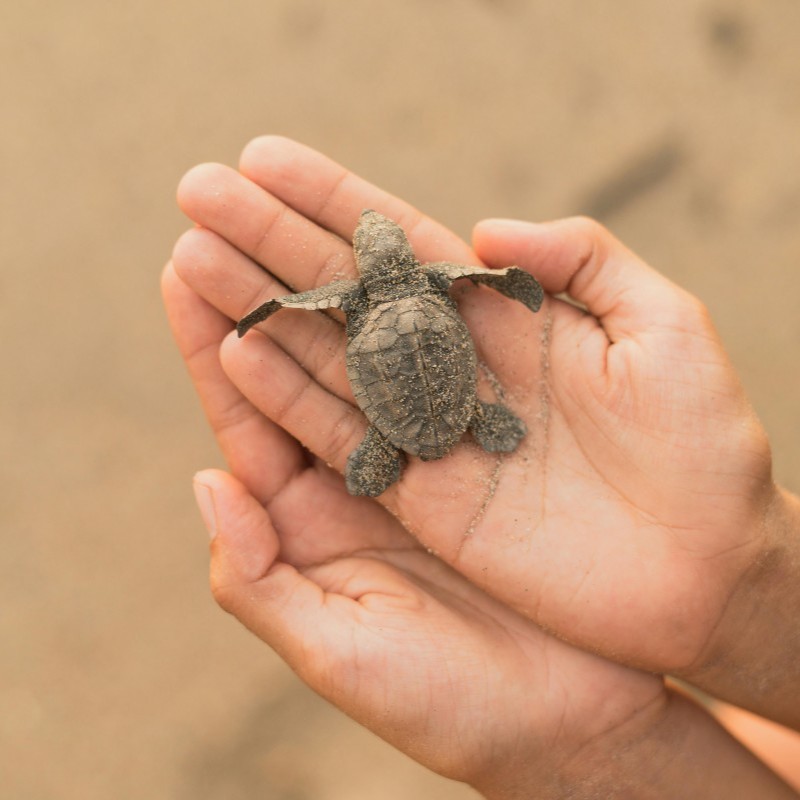
Plastic Pollution in Florida Reefs and Sea Turtle Habitats
Plastic harms turtles and coral. Sea turtles die from entanglement and ingestion, and coral reefs trap debris that tears tissue and blocks the light that corals need to live. Coastal communities also lose tourism revenue when reefs decline and wildlife disappears. Researchers estimate at least 1,000 sea turtles die each year from plastic entanglement, and reef surveys show extreme debris densities in some regions. A Florida study reports plastic in most loggerhead hatchlings, indicating the problem begins early. These numbers make the case for fast, practical action at the beach level.
What the data shows:

At least 1,000 sea turtles die each year from plastic entanglement.

Some reefs hold about 84,500 plastic items per km², roughly 520 pieces per football field.

More than 90% of Florida loggerhead hatchlings ingest plastic.
Who This Project Serves
You want thriving reefs and healthy turtles. If you live near the coast, volunteer, snorkel, or teach kids about the ocean, this project gives you concrete ways to help. The goal is a simple, repeatable routine that removes trash, reduces new waste, and supports organizations that protect wildlife. Your effort also protects local jobs that depend on clean beaches. The ocean you enjoy today should still be alive for the next generation.
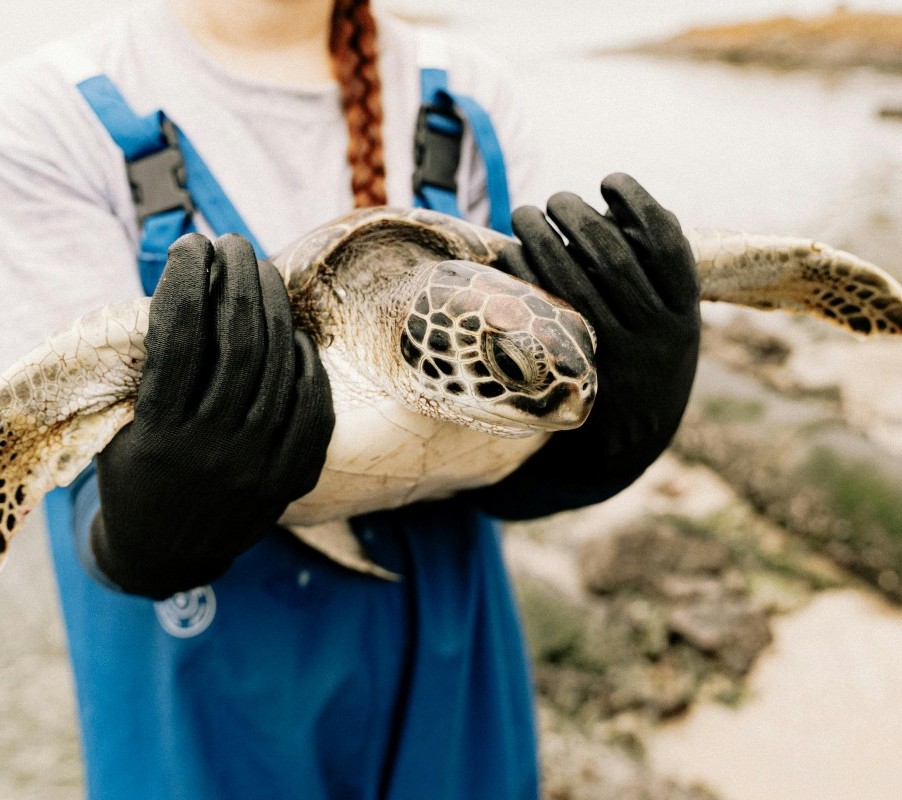

Our Mission
My name is Emory. I want to make it easy to help. I am creating simple resources and a cleanup crew list so anyone can plug in quickly. I talk with local ocean advocates, collect tips that work, and turn them into steps you can take this month. I am learning as I go, and I will share what helps most so our time makes a real difference. If we act together, we can protect turtles and reefs where we live.
Why Coral Reefs Matter to Florida Sea Turtles
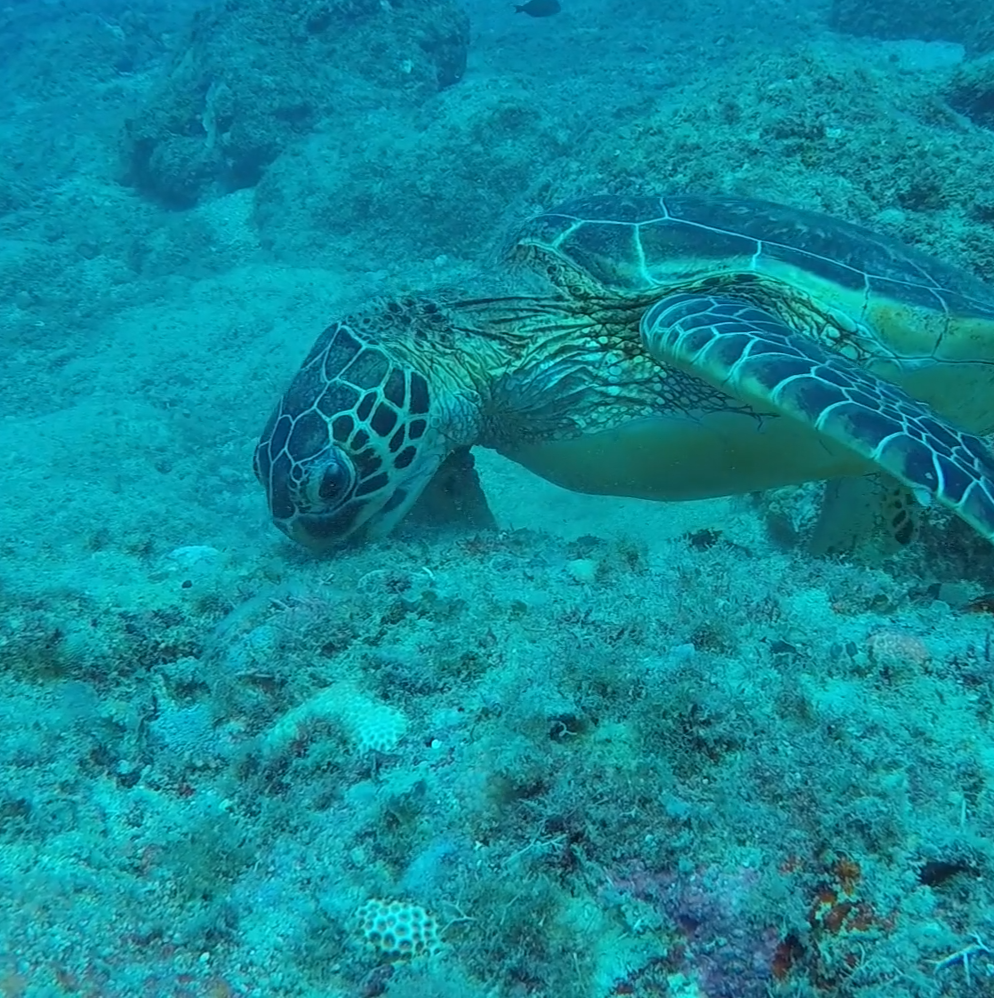
Reefs are turtle support systems. Green turtles graze along reef flats, while loggerheads feed on crabs, mollusks, and urchins that vanish when reefs decline. Hawksbills eat reef sponges and other invertebrates, which ties their diet to coral health. Reefs host cleaning stations that remove parasites and algae from turtle shells, lowering disease risks. When reefs degrade, turtles travel farther for food and cleaning, which increases boat strikes and entanglement in old gear. Protecting reefs directly improves turtle survival and quality of life.
Three Simple Ways to Help Sea Turtles Today

Join the Beach Cleanup Crew list
to get local dates and locations.

Download the Sea Turtle Action Guide
to learn fast, practical steps.

Volunteer at upcoming cleanups
and enjoy cleaner beaches & safer reefs.
Benefits of Beach Cleanups for Sea Turtles and Coral Reef Health
Small actions scale into real impact. Consistent cleanups remove entanglement hazards from nesting beaches and near-shore reefs, which lowers turtle injuries and mortality. Cleaner water lets corals photosynthesize and regrow, which restores food webs that turtles depend on. Volunteer data helps cities place bins, adjust pickup schedules, and target problem hotspots. Students and families build habits that cut single-use plastics at the source. The result is healthier reefs, more visible wildlife, and stronger coastal tourism.
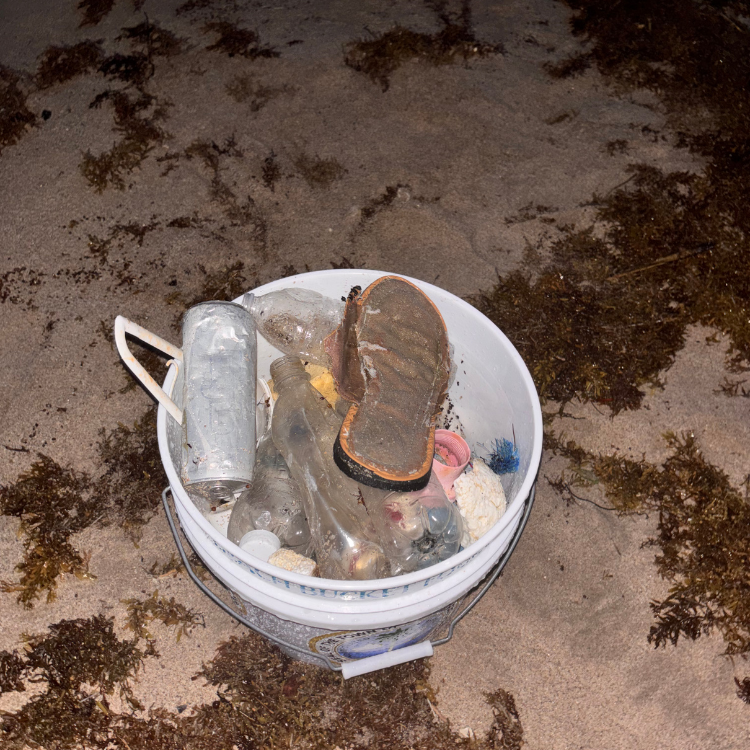
Effects of Plastic Pollution on Florida Sea Turtles and Coral Reefs
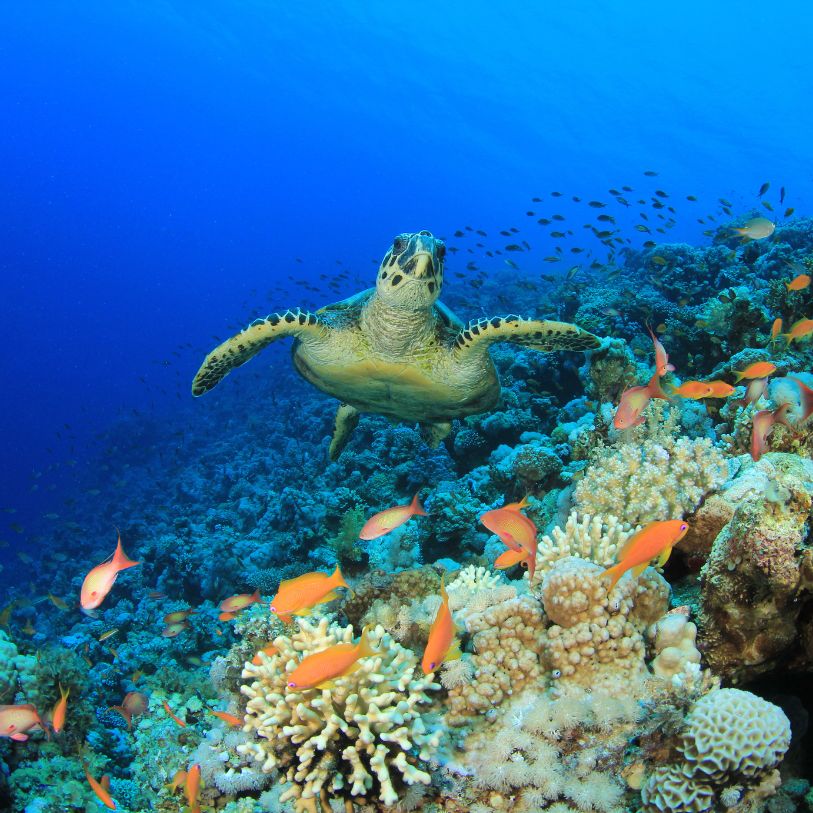
Delays carry real costs. Plastic in reef habitats injures sea turtles through entanglement and ingestion, and debris abrades coral and blocks the light corals need to survive. As reefs decline, food sources for green, loggerhead, and hawksbill turtles disappear and cleaning stations vanish, which raises disease risk. Longer swim routes increase boat strikes and entanglement in old fishing gear. Coastal economies tied to snorkeling, diving, and wildlife tourism also suffer when reefs degrade. Acting now reduces the flow of waste, protects critical habitat, and keeps local beach communities attractive to visitors.
Citations
State of the World’s Sea Turtles (SWOT). Sea Turtles and Plastic Pollution:
https://www.seaturtlestatus.org/sea-turtles-plastic-pollution
University of Oxford. Summary of coral-reef plastic density study (Nature):
https://www.ox.ac.uk/news/2023-07-13-new-study-finds-plastic-pollution-be-almost-ubiquitous-across-coral-reefs-mostly
Eastman et al., 2020. Plastic ingestion in Florida loggerhead hatchlings. Frontiers in Marine Science:
https://www.frontiersin.org/journals/marine-science/articles/10.3389/fmars.2020.00693/full
Join The Crew!
Sign up below to get connected and stay up to date: